Residency and Economic Nationalism: Understanding the Link
Category : | Sub Category : Posted on 2025-11-03 22:25:23
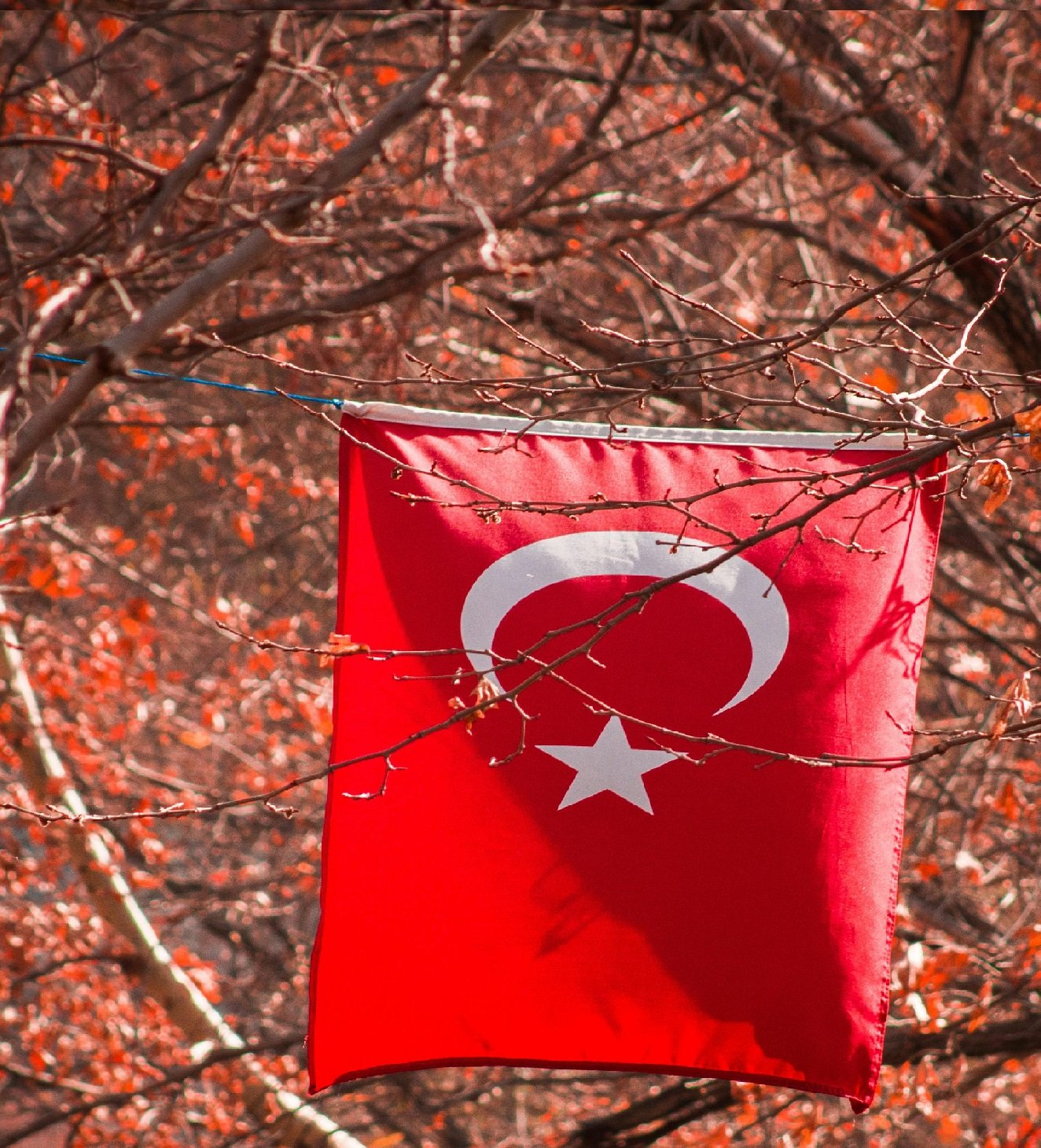
In recent years, there has been a growing focus on economic nationalism and how it impacts residency policies in countries around the world. Economic nationalism is a political ideology that prioritizes the interests of the nation over global economic integration. This can manifest in various ways, such as protectionist trade policies, restrictions on foreign investment, and a emphasis on promoting domestic industries. When it comes to residency policies, economic nationalism can play a significant role in shaping who is allowed to live and work in a country. Governments may implement residency requirements that prioritize the hiring of domestic workers over foreign nationals in an effort to protect local job opportunities. In some cases, residency permits may be tied to specific types of employment that are deemed crucial to the national interest. Additionally, economic nationalism can influence the way countries approach immigration and citizenship policies. Some nations may place greater emphasis on preserving their cultural identity and promoting social cohesion, leading to stricter criteria for granting residency or citizenship to foreigners. This can include requirements such as language proficiency, cultural integration programs, or demonstrating a commitment to contributing to the local economy. Furthermore, economic nationalism can also impact the treatment of foreign investors and entrepreneurs seeking residency in a country. Governments may view foreign investors as a potential threat to domestic industries or as a source of economic growth, depending on the prevailing ideology. This can result in residency programs that offer incentives for foreign capital investment while imposing restrictions on the types of businesses that foreigners can establish. Overall, the link between residency policies and economic nationalism is complex and multifaceted. Countries must balance the need to protect their national interests with the benefits of global economic integration and diversity. By understanding the intersection of these factors, governments can develop residency policies that promote economic growth while safeguarding the interests of their citizens.
Leave a Comment:
SEARCH
Recent News
- Zurich, Switzerland is a charming city known for its picturesque views, vibrant cultural scene, and high quality of life. It is a popular destination for tourists seeking a mix of urban sophistication and natural beauty. However, for travelers coming from Turkmenistan, it is essential to understand the visa requirements to ensure a smooth and hassle-free trip.
- Are you interested in traveling to Zurich, Switzerland and need information about obtaining a Turkish visa? Let me guide you through the process!
- Zurich, Switzerland - A Popular Destination for Turkish Residency
- Zurich, Switzerland is a vibrant city known for its picturesque landscapes, rich history, and diverse cultural scene. One fascinating aspect of Zurich's cultural tapestry is the influence of Sudanese culture in the city.
- Zurich, Switzerland, is renowned for its picturesque landscapes, vibrant culture, and thriving economy. However, thousands of kilometers away in Russia, agriculture plays a crucial role in the country's economy and food production.
- When looking at two diverse but equally fascinating destinations such as Zurich, Switzerland, and the rich culture of Quebec in Canada, it’s hard not to be captivated by the unique charm and beauty each has to offer.
- Zurich, Switzerland: A Hub for Hungarian Culture
- Zurich, Switzerland is a picturesque city known for its stunning landscapes, historic architecture, and vibrant culture. On the other hand, Honduras is a country rich in history and cultural diversity. Let's explore the contrasting beauty of Zurich, Switzerland and the colorful traditions of Honduras.
READ MORE
10 months ago Category :

Zurich, Switzerland is a charming city known for its picturesque views, vibrant cultural scene, and high quality of life. It is a popular destination for tourists seeking a mix of urban sophistication and natural beauty. However, for travelers coming from Turkmenistan, it is essential to understand the visa requirements to ensure a smooth and hassle-free trip.
Read More →10 months ago Category :

Are you interested in traveling to Zurich, Switzerland and need information about obtaining a Turkish visa? Let me guide you through the process!
Read More →10 months ago Category :

Zurich, Switzerland - A Popular Destination for Turkish Residency
Read More →10 months ago Category :
